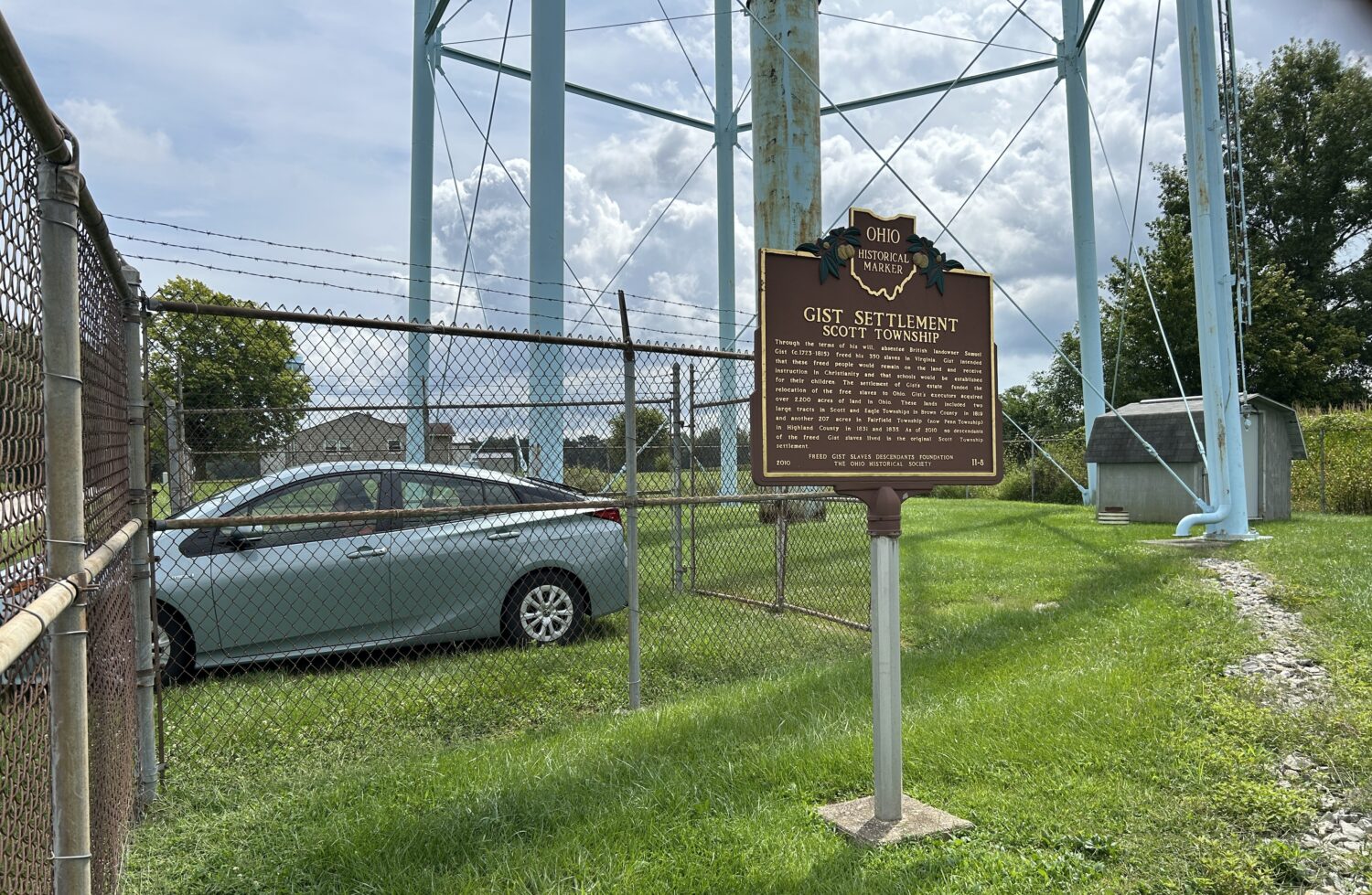
During my scavenger hunts for historical markers in Ohio, I recently found three that all described Gist Settlements. Two of the markers are in Brown County and one is in Highland County. All of the markers have the same wording on one side but the other side has the names of the people who lived in that particular settlement. Before seeing these markers, I had never heard of the Gist Settlements and I decided to do a deeper historical dive into them.
Samuel Gist, who lived from 1717 or 1723 until 1815, was born in England and orphaned very young. Gist was apprenticed as a scrivener, someone who writes up legal documents, and traveled to live with John Smith, a tobacco farmer in Virginia. When Smith died in 1747, Gist married his widow and consequently became a very rich man. Gist returned to England sometime before 1769 but retained his land in Virginia along with the enslaved people living on it.

In his will, Gist freed his enslaved people and directed that his holdings in Virginia be sold to set up a trust fund to take care of the freed persons. The executor of the will, John Fanning Wickham, bought over 2,000 acres of land in Ohio and found abolitionist Quakers willing to be trustees of the fund and watch over the three settlements. Although the number of freed slaves was between 500 and 1,000, the number who moved to the Gist Settlements in Ohio was closer to 350. Although the trust built cabins, schools, and churches in Ohio, it did not provide transportation from Virginia to Ohio.
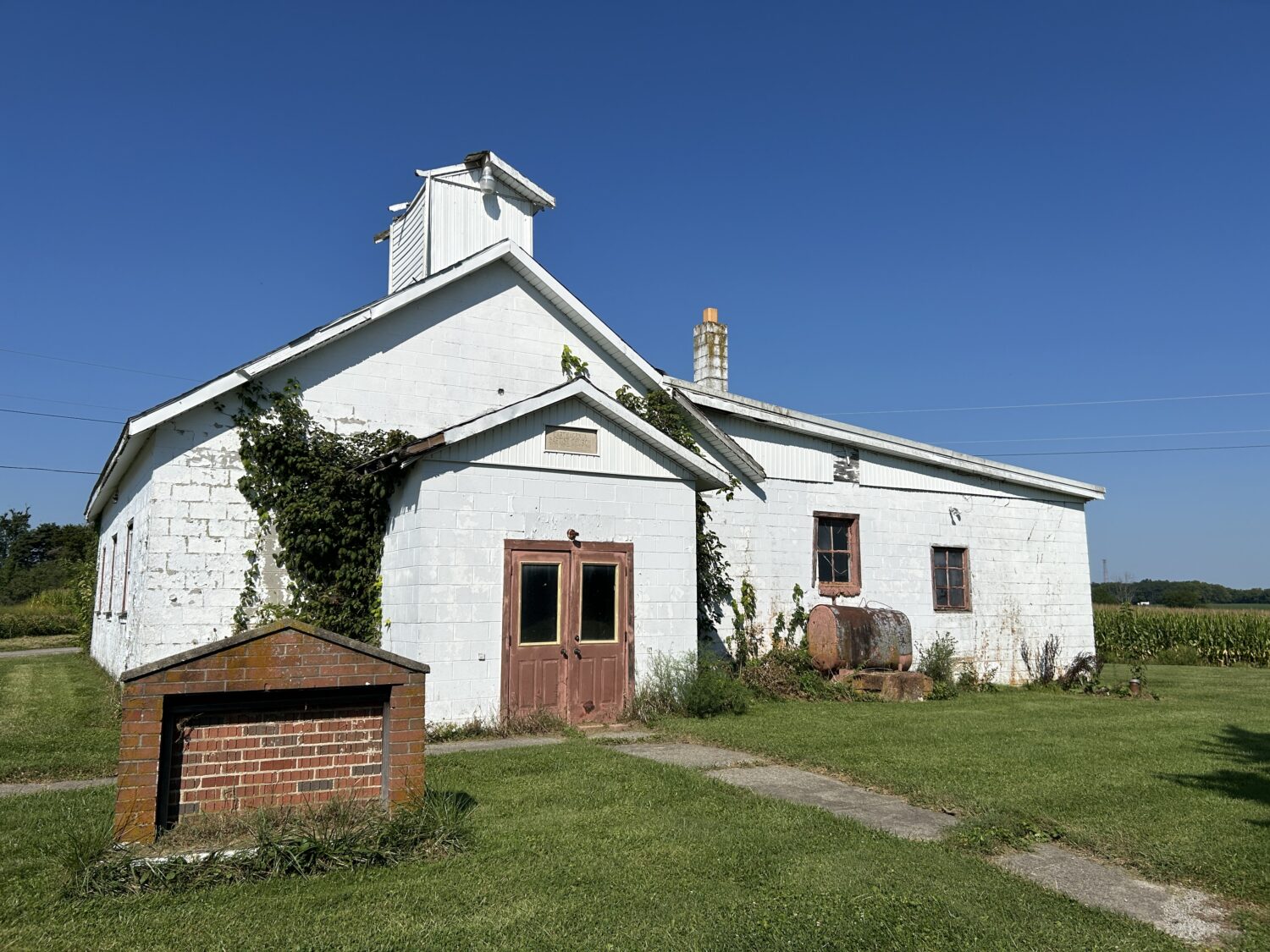
The free people moved to Ohio and established their settlements from 1817 until 1820. Their Quaker trustees lived close and helped them determine what was needed. By 1850, however, mismanagement of the trust caused the Ohio General Assembly to change the trustees to goverment officials.

The free men and women who moved to Ohio took great pride in their freedom and worked hard to be good citizens. They valued education and built churches in all their settlements. Staying close to one another in these small communities gave them a sense of belonging as they adjusted to their new circumstances. As time went on, their descendents served proudly in the armed forces, especially in the colored units of Union Civil War soldiers. Gradually the communities got smaller as children moved away for better opportunities.
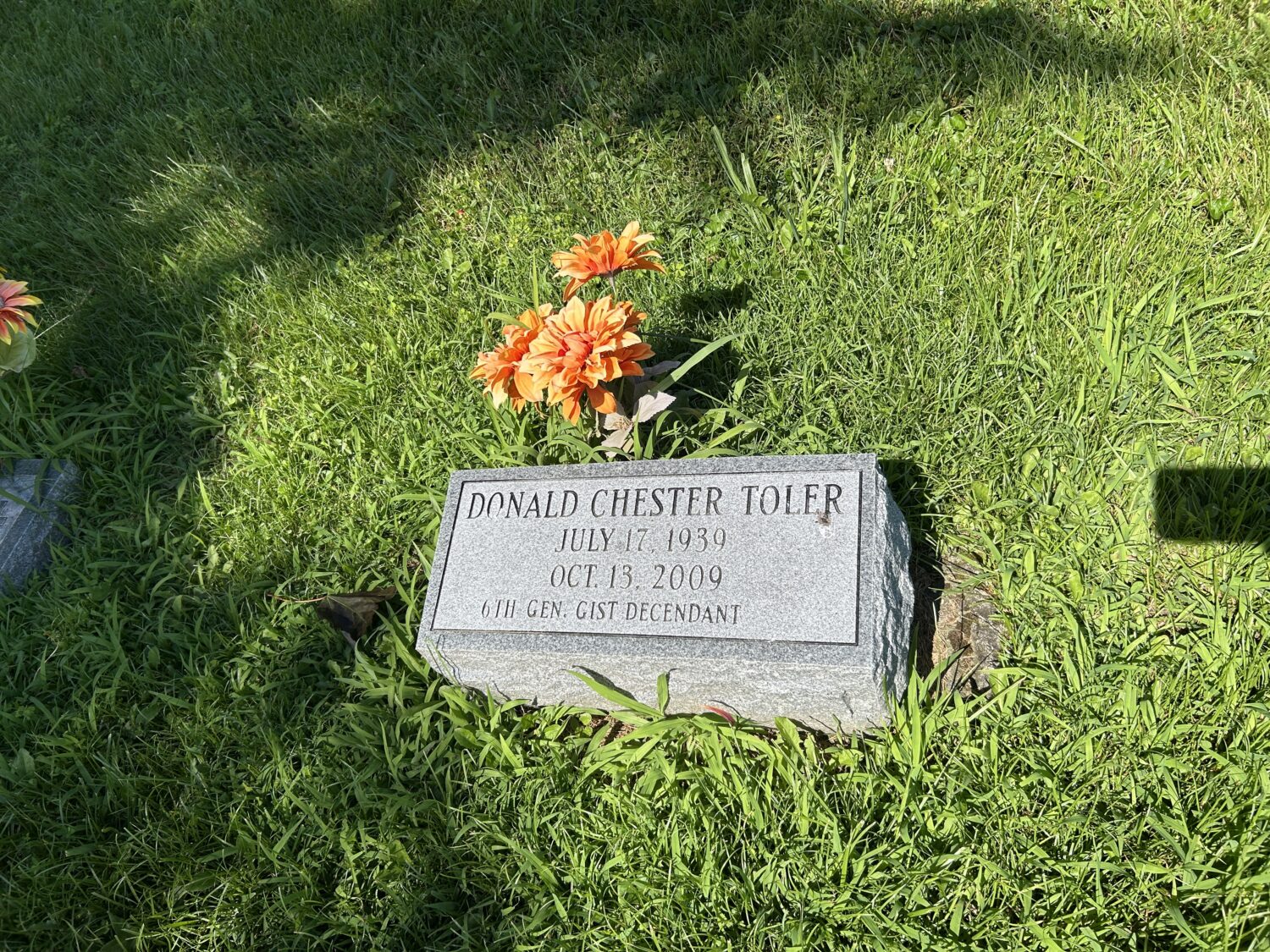
Today all that is left of the settlements are two small cemeteries, the foundations of some houses, and the Carthagenia Baptist Church. And, of course, the historical markers with the lot owners listed on the backs. I took some time to walk among the headstones at the cemeteries. Most of the men served in the military. Several of the headstones mentioned being a descendent of the Gist settlers.
I think this is a fascinating chapter in Ohio history. At the same time that my ancestors were establishing homestead farms in Ohio, these brave free men and women were also establishing homes. I am glad that the Ohio historical markers commemorate their lives and keep their memory alive.
I never knew this bit of Ohio history. Thanks for posting.
I am always amazed by how little I know! Always more to learn.