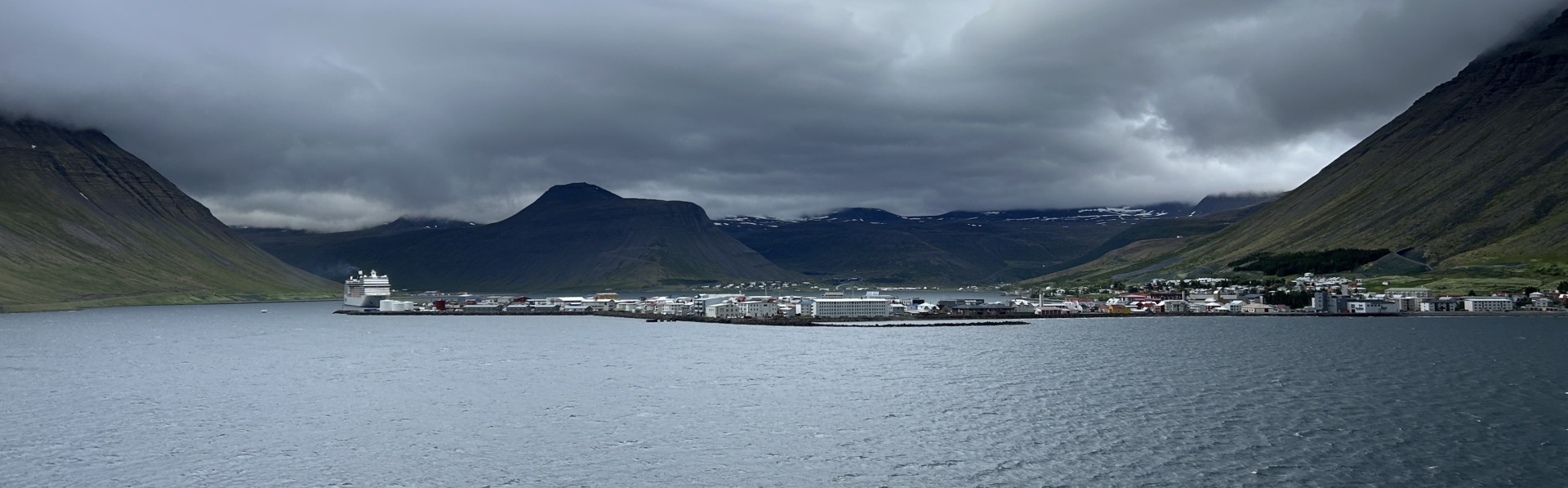
Have you ever visited historic Ripley, Ohio? When Tom and I make our monthly trip from Cumberland Gap to Columbus and back, we avoid Cincinnati and take US 68 from Kentucky to Ohio. This takes us into Ripley, but we turn usually turn north before heading downtown.
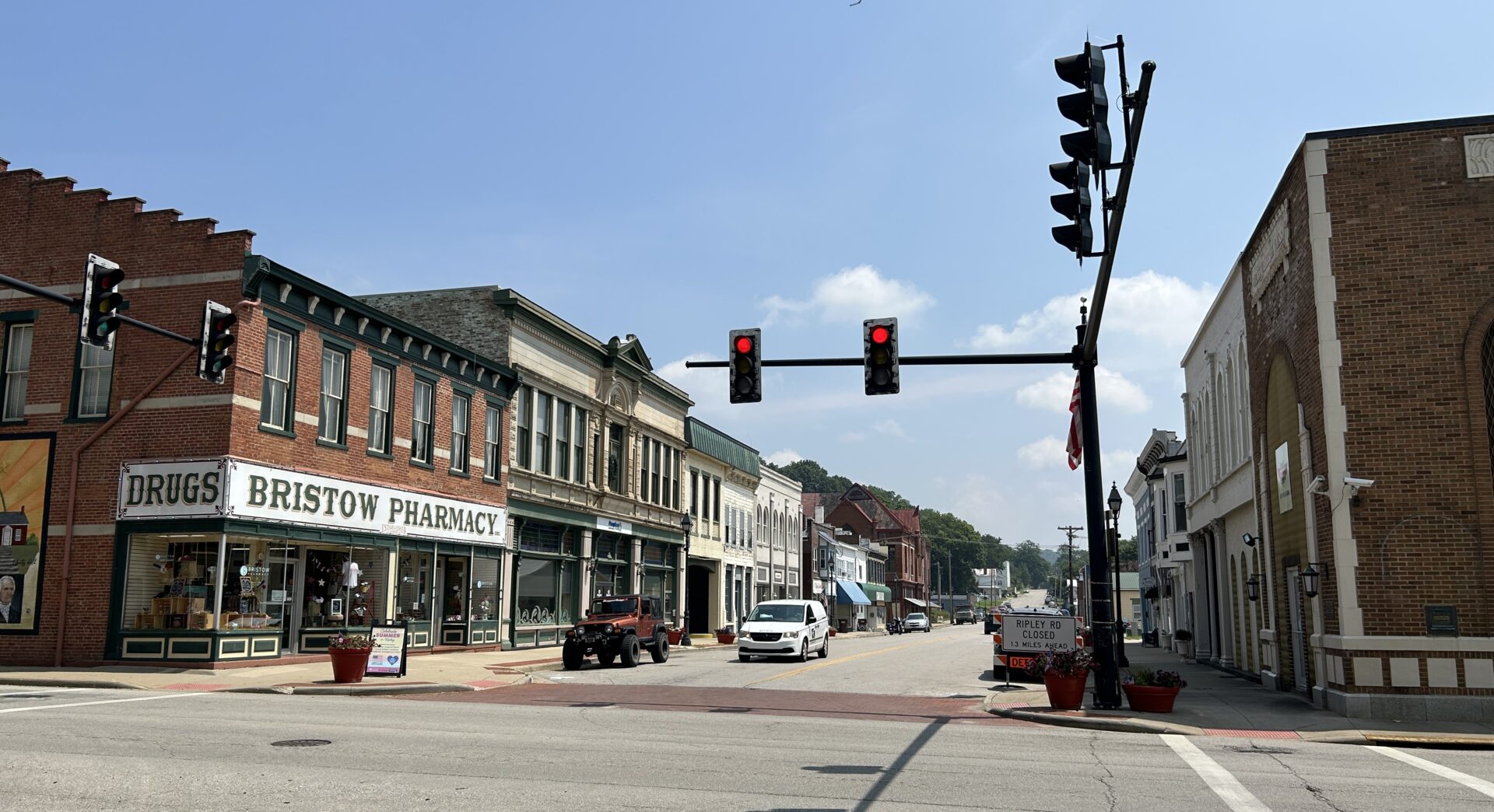
In June, with a desire to find the historic markers in Brown County, we drove into downtown Ripley. Although the current population of Ripley is just 1,600, Ripley has a lot of history because of its location on the Ohio River. Colonel James Poage, a veteran of the American Revolution, arrived in Ohio from Staunton, Virginia in 1804 to claim the 1,000 acres he had been granted in the Virginia Military District. Poage was among a large group of veterans who received land grants for their service in the American Revolutionary War. These veterans from Virginia brought enslaved people with them, but freed them when they settled in Ohio. Poage and his family laid out the town of Staunton in 1812. The town was renamed in 1816 to honor General Eleazar Wheelock Ripley, an American officer of the War of 1812.
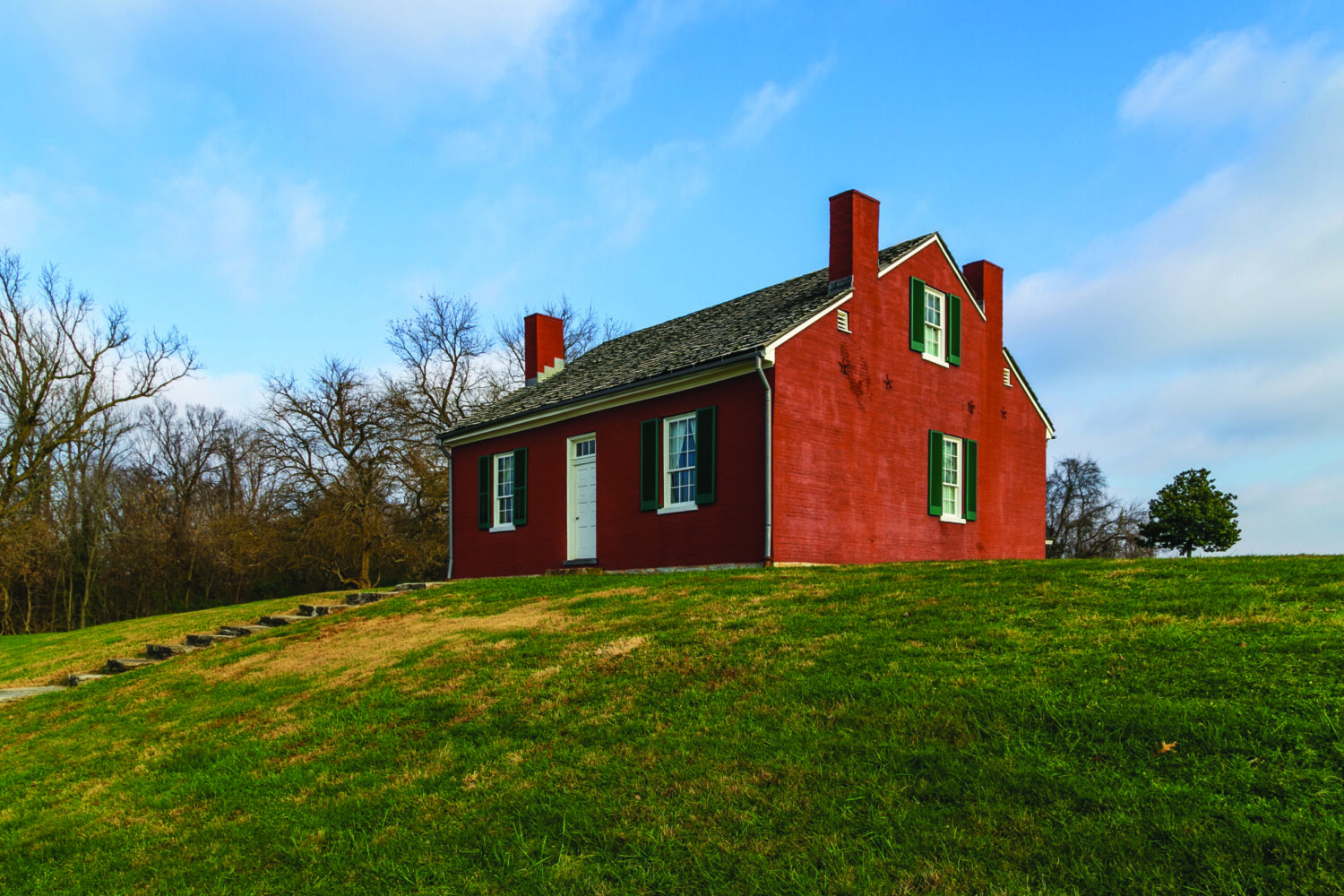
Given its location on the river, Ripley became a destination for enslaved people escaping from slavery in Kentucky on the other side. Both black and white residents developed a network, making Ripley an early stop on the Underground Railroad, to help slaves escape north to freedom. A number of prominent abolitionists lived in the town in the 19th century, mainly on Front Street near the river. John Rankin moved from Kentucky to Ripley in 1822. From his home on Liberty Hill, he signaled escaping slaves with a lantern on a flagpole and provided them shelter. The house is now known as the John Rankin House, and has been designated as a National Historic Landmark. Rankin was also the minister at the Ripley Presbyterian Church for twenty-four years.
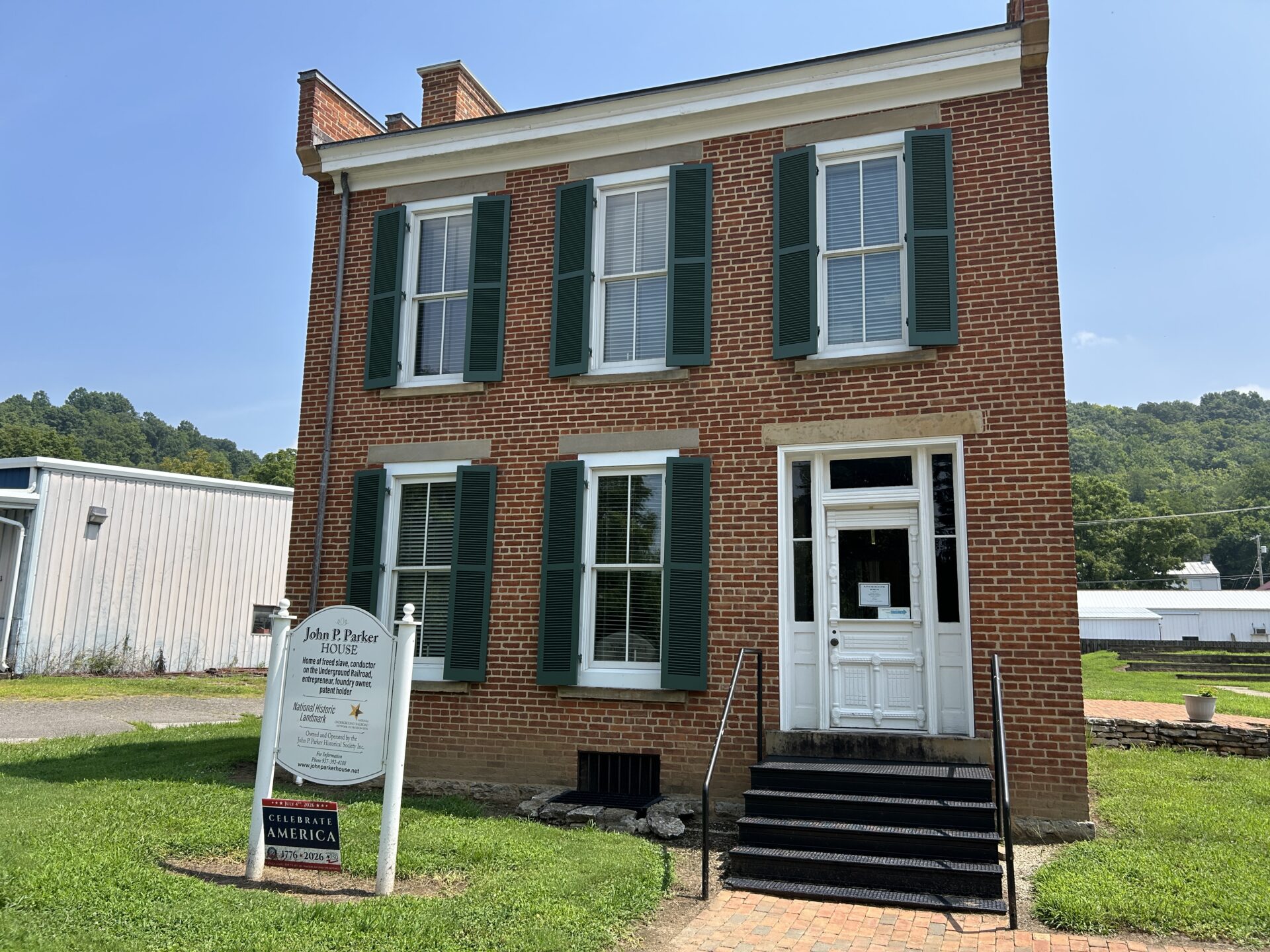
Another famous resident of Ripley was John P. Parker. Parker was born to an enslaved woman and a white father in 1827 and sold away from his mother when he was eight. Eventually he was able to purchase his freedom, married a free black woman, and moved to Ripley. From his home on the Ohio River, Parker helped hundreds of enslaved people to freedom. Parker was also an inventor and industrialist. He was one of the few black people to patent an invention before 1900. His house in Ripley has been designated a National Historic Landmark and restored.

While we were in Ripley, Tom and I checked out the Parker house because it had a small park and a historical marker in front of it. In fact, the park had two historical markers. One described the Parker house on one side and the town of Ripley on the other.

The other marker talked about Charles Young in Ripley. Charles Young was an American soldier. He was the third African American graduate of the United States Military Academy, the first Black U.S. national park superintendent, first Black military attaché, first Black man to achieve the rank of colonel in the United States Army, and highest-ranking Black officer in the Regular Army until his death in 1922. There is a National Park Site dedicated to Charles Young in Wilberforce, Ohio. Young grew up in Ripley after his family escaped slavery in Kentucky.

Tom and I stopped in downtown Ripley to find two other historical markers in town. The first was easy to spot in front of the Ripley Library. It described the Squirrel Hunters, the Ohio residents who marched to defend Cincinnati during the Civil War. When it was feared the Confederates would cross the river at Cincinnati, over 13,000 Ohio men headed there with their hunting guns. 1,300 of those men were from Brown County, the most of any Ohio county. The Confederate Army never crossed the river, and, eventually, the Squirrel Hunters returned home.
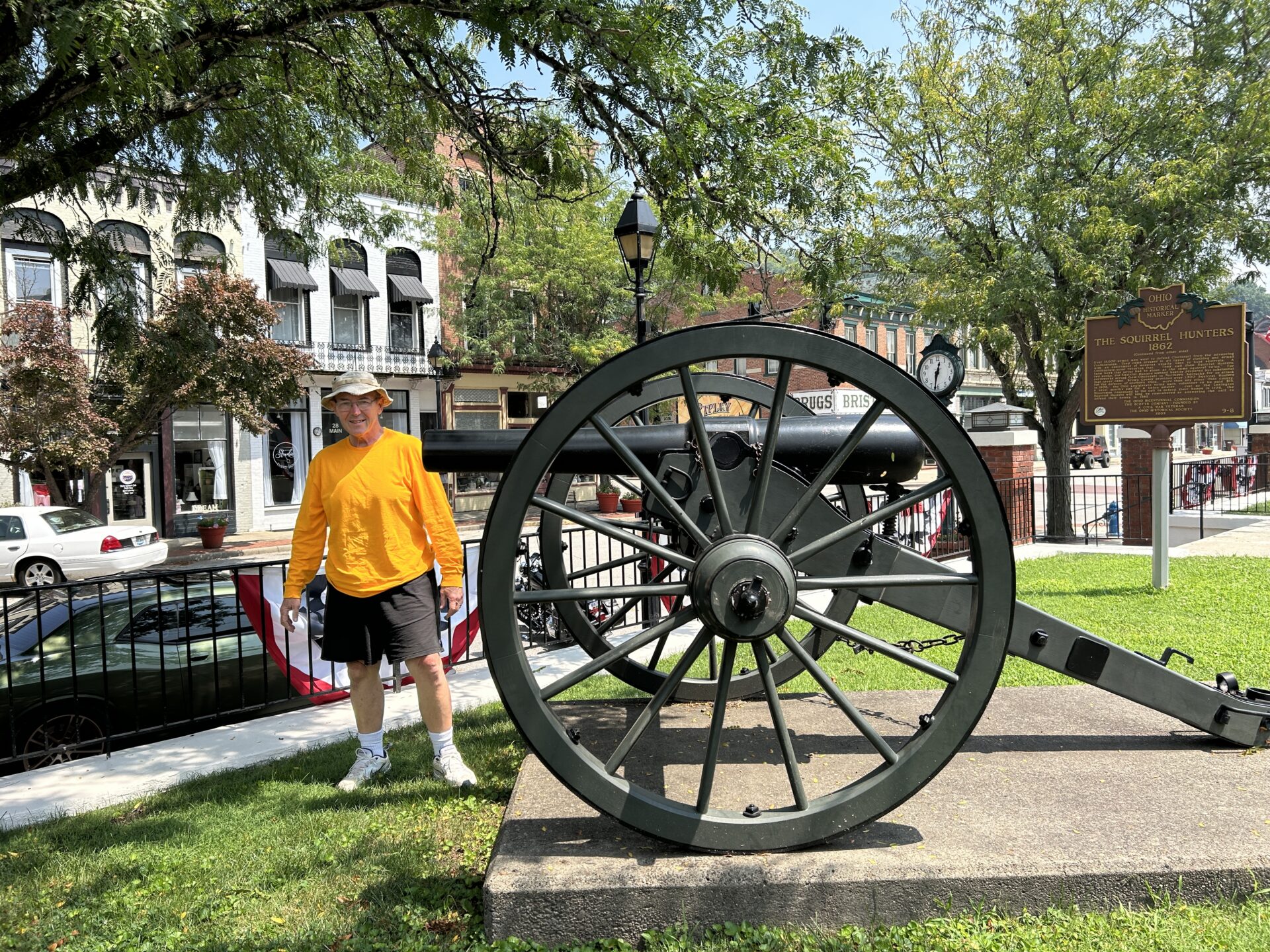
Tom and I tried to find the second historical marker in downtown but were unsuccessful. The marker described the historic houses and industry along Front Street in Ripley. Unfortunately Front Street was completely closed for construction. They had even closed the sidewalks and the park along the river.

The final historical marker in the area was along US 68 to the west of downtown, in front of the school. This marker described Camp Ripley/Ammen which trained men during the Civil War for fighting in nearly every theater of the war. Ripley was said to be the only town in the United States to have soldiers fighting from the Atlantic coast to the Rocky Mountains.
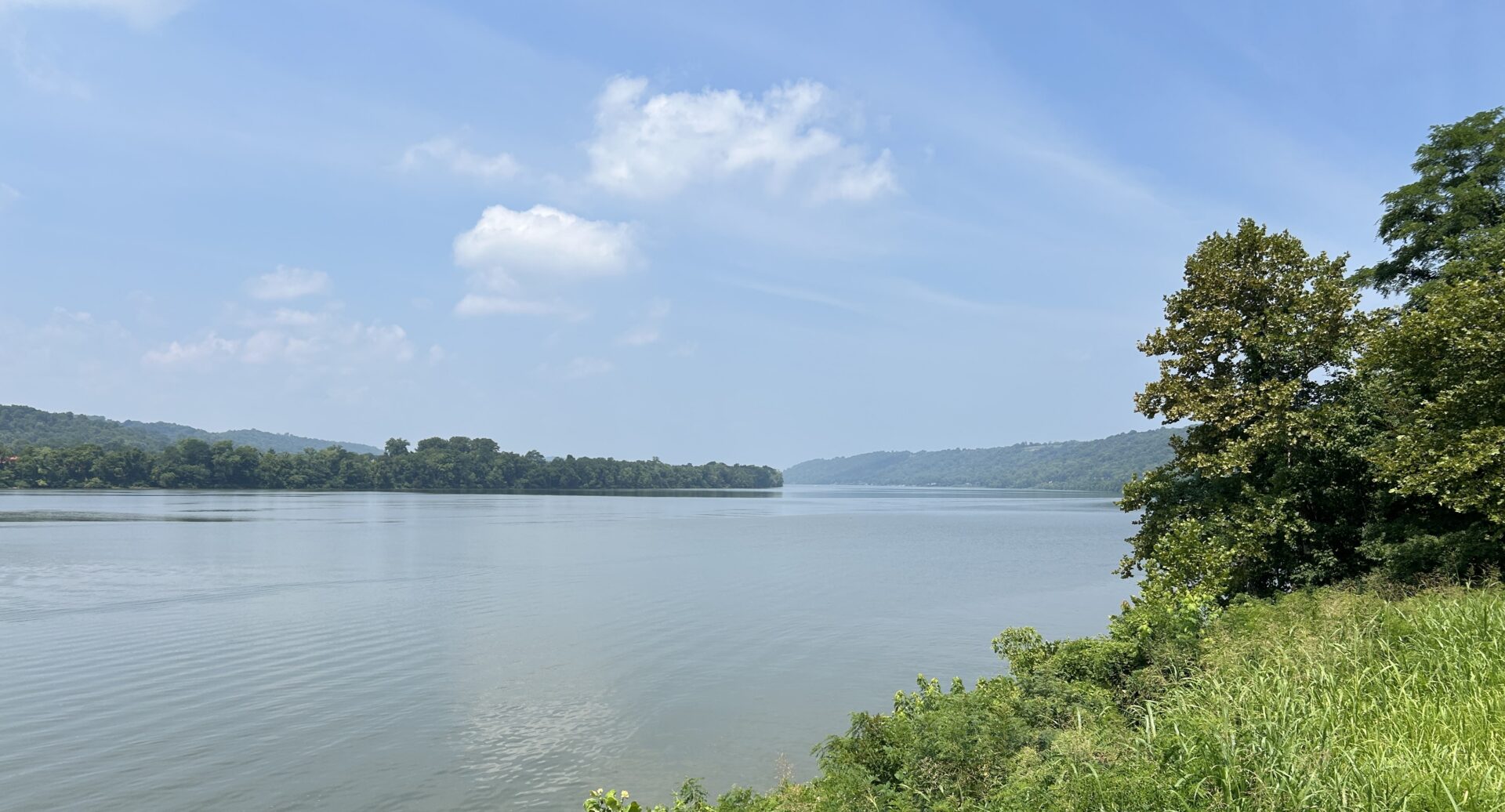
Tom and I really enjoyed exploring historic Ripley, Ohio. It looked like a lovely small town – and a good place for a quiet sojourn. There are restaurants and several lodging options. You can sit in the Parker park and watch boats on the river. When you are following a historic trail, there are always new things to discover.